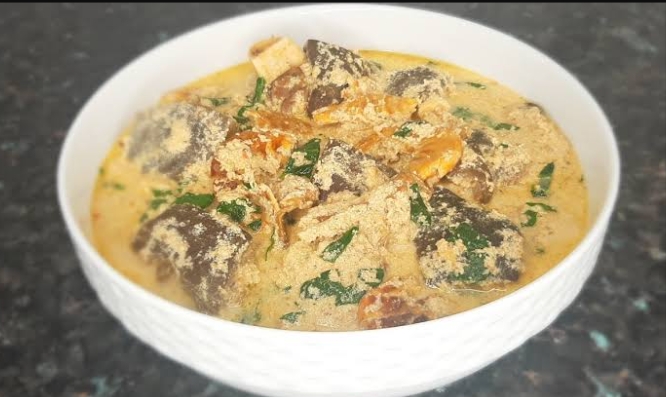



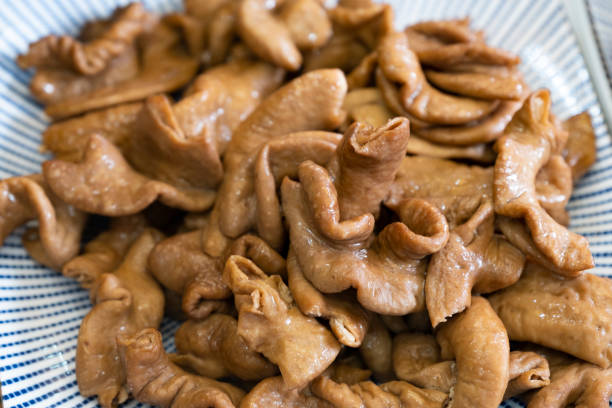
Intestine meat is a type of organ meat that is commonly consumed in some cultures as a traditional food. Animal intestines after it has been cleaned and fried or sautéed, is often called Chitterlings or Chitlins.
In Nigeria, it is called ’roundabout’ and is usually sourced from cows or goats. It is also called it ‘Abodi’ or ‘Inu eran’, the proper name is beef reed.
For Nigerians, intestine meats are more than just something we throw into soups and stews as they are true cultural treasures that bring unforgettable flavor to the table.
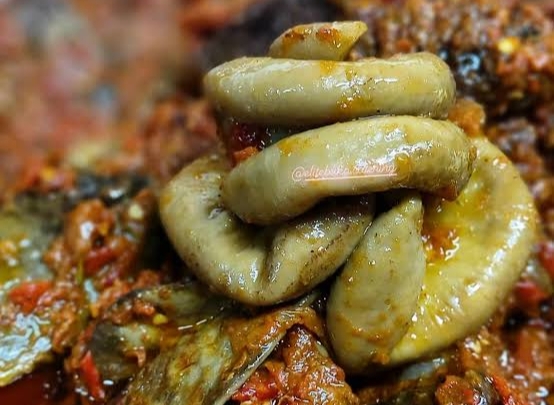
A steaming bowl of pepper soup loaded with shaki or a plate of isi ewu with round-about on the side shows just how much these organ meats elevate our dishes. They aren’t just tasty; they’re also packed with hidden nutrients that many people don’t give enough credit
However, there is limited scientific research available on the health benefits of intestine meat, and some health experts have raised concerns about its safety and nutrition profile.
Nonetheless, this article will discuss the nutritional profile and health benefits of intestines meat.
Nutritional Profile Of Intestine Meat
Most intestine meats gotten from cows or goats are particularly rich in B-vitamins, like vitamin B12 and folate.
They are also rich in minerals, such as iron, magnesium, selenium and zinc, and important fat-soluble vitamins like vitamins A, D, E and K.
In addition, intestine meats are an excellent protein source. In fact, the animal protein from them offers all nine essential amino acids that your body needs to function effectively.
7 Health Benefits Of Intestine Meats
Here are some potential health benefits of eating intestine meat:
1. Source of nutrients
Intestine meat is a good source of nutrients, including protein, iron, and vitamin B12. These nutrients play a critical role in maintaining good health and supporting various bodily functions.
For instance, protein is essential for building and repairing tissues in the body, while iron is necessary for the production of hemoglobin, which carries oxygen to the body’s cells.
Vitamin B12, on the other hand, is important for maintaining good cognitive function and supporting a healthy nervous system.
2. Supports gut health
Intestine meat is also known to support gut health. It contains a type of soluble fiber called mucin, which helps to lubricate the gut and reduce inflammation.
Mucin also helps to improve digestive health and prevent gut-related disorders. A healthy gut is critical for overall health as it helps to absorb essential nutrients, eliminate waste, and regulate the immune system.
3. Boosts immunity
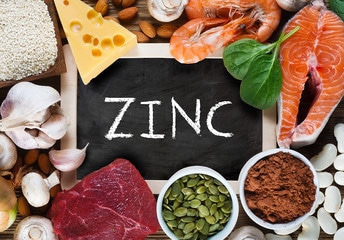
Another potential benefit of intestine meat is that it can boost immunity. It is a good source of zinc, which is a mineral that is important for maintaining a healthy immune system.
Zinc helps to support the production of white blood cells, which are the body’s first line of defense against infections and diseases.
Zinc also has antioxidant properties, which can help to protect cells from damage and support the body’s natural healing process.
4. Supports brain health
Intestine meat is a good source of choline, which is an important nutrient for maintaining brain function and cognitive performance.
Choline plays a critical role in the production of neurotransmitters, which are chemicals that transmit signals in the brain. It also helps to maintain the structure of brain cell membranes and supports memory function.
Some studies have also suggested that choline may help to prevent age-related cognitive decline.
5. Promotes muscle growth
As you already know, intestine meats are a great source of high-quality protein, which is important for building and retaining muscle mass. Protein is essential also for muscle growth and repair.
Moreover, intestine meats also contain creatine, which is known to improve muscle performance and increase endurance.
6. Excellent source of vitamin B12
Vitamin B12 is essential for healthy blood and nerves, and intestine meats provide it in abundance.
This vitamin helps prevent anemia and keeps your brain sharp.
Instead of popping supplements, a portion of intestine stew can give your body a natural boost.
7. Supports strong bones and teeth
Intestine meats contain phosphorus and calcium, minerals that are vital for bone health.
Combined with the protein content, they help maintain strong bones and teeth as you age.
This makes them especially valuable for children and older adults.
Please note
However, it is important to note that there are also potential health risks associated with consuming intestine meat. Intestine meat can contain harmful bacteria and parasites, such as Salmonella and E. coli, which can cause serious foodborne illnesses.
In addition, intestine meat is often processed with preservatives and chemicals, which can contribute to negative health effects, such as food allergies and digestive problems.
Conclusion
Intestine meat is a traditional food that is consumed in some cultures, including Nigeria, and has potential health benefits, including being a source of nutrients and supporting gut, immune, brain health, and retaining muscle mass.
However, there are also potential health risks associated with consuming intestine meat, and it is important to be aware of these risks and to take precautions to reduce the risk of foodborne illnesses.
YOU SHOULD ALSO READ:
- Is Red Meat Good For The Body?
- 5 Impressive Health Benefits of Liver Meat
- 7 Amazing Health Benefits Of Kpomo
- 6 Superb Health Benefits of Snail Meat
- 6 Notable Health Benefits of Rabbit Meat
- 7 Amazing Health Benefits Of Red Meat
- 5 Health Benefits of Roasting Food
- Health Benefits and Side Effects of Bushmeat
- 5 Awesome Health Benefits Of Pork Meat
- 5 Surprising Health Benefits Of Squirrel Meat
- 7 Amazing Health Benefits of Eating Goat Meat
- 7 Spectacular Health Benefits Of Kilishi
- 5 Amazing Health Benefits Of Catfish

Collins Nwokolo is a human physiologist, writer and health enthusiast. He loves writing helpful articles on health and fitness, which he enjoys sharing with everyone.