



Eating foods rich in oestrogen plays a great role in the operations of the human body.
Contrary to what is believed, estrogen is needed for the human body to function correctly; the male body needs estrogen to function properly, just as the female body does.
But, there is a need to keep the oestrogen level at the normal range. However, there are cases where the body has low oestrogen levels.
This can result in weak bones, moodiness, reduced libido, irregular periods in women, tender breasts, or even difficulty concentrating.
At this point, it becomes necessary to seek out ways to increase estrogen naturally. As a Nigerian, eating foods rich in oestrogen will build your bone strength, regulate your hormones, boost your sex drive, and also reduces the risk of cancer.
Its benefits are vast and apply to both genders. Getting some of the foods rich in oestrogen might be a hectic task, as they must be readily available in Nigeria.
Here are some of the popular Nigerian foods that are rich in oestrogen.
1. Soy
Soy, the primary source of Soya beans and Soya Milk, is rich in oestrogen. This food is popularly known for its proteinous content, but they are also high in isoflavones, a class of phytoestrogens.
Soy protein Isolate is a rich source of Isoflavones, including nutrients like Daidzein, Glycitein, and Daidzein, in a proportion that amounts to 91.05mg per 100g.
Isoflavones mimic your body’s estradiol, raising estrogen levels by at least 14%. The mean supply of Isoflavone varies in different Soy foods.
You will get a good amount of Isoflavones from full-fat Soy flour if the seeds are not available to you.
However, there have been diverse reports on the use of Soy Isoflavones. Some studies indicate different hormonal effects in the body of postmenopausal women and their ability to reduce the risks of breast cancer.
Other legumes in Nigeria that are high in oestrogen are brown beans, black-eyed beans, and green beans.
2. Dry and fresh fruits
Fruits are great sources of vitamins, but in this case, there are a few Nigerian fruits that are rich in oestrogen.
Some of the fruits that are rich in oestrogen that you can find in Nigeria include; Dates, peaches, apricot, oranges, blueberries, and strawberries.
These fruits have varying high phytoestrogen content, but you are sure to get your oestrogen boost from these.
3. Garlic
In the kitchen of every Nigerian mom, there’s a high chance that you will find some garlic cloves.
As Nigerians, it’s normal to be skeptical about the bad breath that comes with garlic consumption, but you might consider its benefits and try it.
Lemon juice can also help you neutralize the bad breath. Garlic has rich phytoestrogen content, which can help with oestrogen-related bone strength cases.
4. Nuts
There are quite a lot of Nigerian nuts that are rich in oestrogen.
Cashew nuts, almonds, or even groundnuts, you can get your hands on as many as you can.
5. Eggs and dairy products
Eggs, milk, and yoghurt supply an impressive level of oestrogen. The quantity might not be as high as seen in soy food, but you can get enough to keep you going.
According to research, oestrogen can be found in a lot of dairy products.
Some popular dairy products in Nigeria include fura da nono, cheese, wara, custard, cheese, and kefir.
6. Cruciferous vegetables
Cruciferous vegetables are a class of vegetables with low-calorie, rich in fibre, folate, and other essential vitamins. They are also rich in oestrogens.
Enough with the big names, Cruciferous vegetables are simply cabbage, broccoli, cauliflower, spinach, etc.
You might not easily find broccoli and cauliflower in local Nigerian markets, but you can find cabbage in almost every Nigerian market.
7. Wheat
Wheat is a grass that is cultivated for its seed, which is a milled cereal grain that is then used to make a wide range of foods, including bread.
In Nigeria, wheat flour is used to make wheat swallow — a staple food that can be eaten with various soups.
Wheat is high in lignans, a type of phytoestrogen, and according to some medical research, consumption of whole-grain wheat increases oestrogen levels.
8. Black-eyed peas (Ewa)
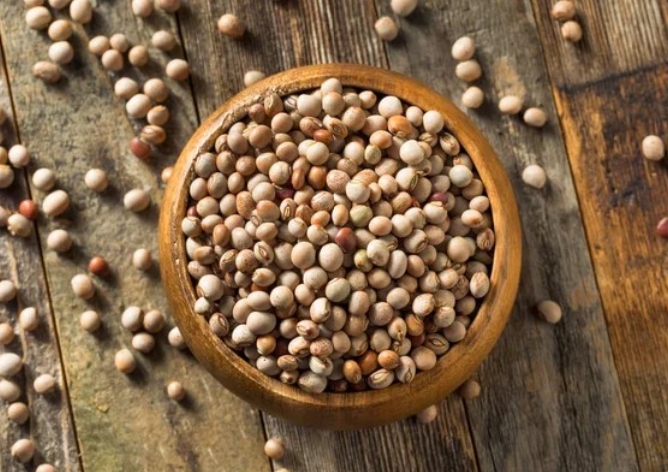
Black-eyed peas, popularly known as “Ewa” in Yoruba, are one of the most consumed legumes in Nigeria. They are used to prepare a variety of delicious meals, including moi moi, akara, and gbegiri soup.
Beyond their high protein content, black-eyed peas are a rich source of phytoestrogens, particularly isoflavones and lignans, which help boost oestrogen levels in the body.
Regular consumption of black-eyed peas can also aid in balancing hormones, improving bone health, and supporting overall reproductive wellness.
You can easily find black-eyed peas in every Nigerian market, making them one of the most accessible oestrogen-rich foods for both men and women.
9. Bambara nuts (Okpa/Epa-roro)
Bambara nuts, known as “Okpa” in Igbo and “Epa-roro” in Yoruba, are a highly nutritious legume that is native to Africa and widely consumed in Nigeria.
In the eastern part of Nigeria, Okpa is a popular delicacy prepared as a steamed pudding, while in the western part, it is often boiled and enjoyed as a snack.
Bambara nuts are packed with phytoestrogens, protein, fibre, and essential minerals that support hormonal balance and improve overall body function.
Adding Bambara nuts to your diet is a smart way to naturally boost your oestrogen levels while also enjoying a rich, satisfying meal.
10. Millet and sorghum
Millet and sorghum are two ancient grains that have been part of Nigerian cuisine for centuries, especially in the northern regions.
They are commonly used to prepare local foods like tuwo, kunu, fura, and pap, which are enjoyed by many Nigerians across different age groups.
Both millet and sorghum are rich in lignans, a powerful class of phytoestrogens that help increase and regulate oestrogen levels in the body.
Beyond their oestrogen-boosting benefits, these grains are also loaded with fibre, antioxidants, and essential nutrients that support digestion, heart health, and hormonal balance.
YOU SHOULD ALSO READ:
- 5 Nigerian Foods To Eat After A C-section
- 7 Nigerian Foods To Eat When Trying To Conceive
- 5 Nigerian Foods to Avoid While Breastfeeding
- 7 Nigerian Foods To Eat If You Have Acid Reflux Disease
- 10 Nigerian Foods to Avoid When Trying to Lose Weight
- 7 Healthy Nigerian Foods for Hypertensive Patients
- 8 Nigerian Foods That Are Rich In Folic Acid
- 12 Nigerian Foods That Boost Breast milk Production

Collins Nwokolo is a human physiologist, writer and health enthusiast. He loves writing helpful articles on health and fitness, which he enjoys sharing with everyone.