





Silent killer diseases are diseases that have the tendency to kill without giving any noticeable warning, or at least, that is what we think.
The truth is that every disease comes with its symptoms.
These symptoms vary among diseases. While some diseases start showing visible symptoms from day one, some other diseases may have symptoms that would not manifest physically until the disease has advanced.
Before then, it may be too late to properly cure the disease, and it could lead to death.
This is why it is advised that one should go for a medical checkup at least twice a year, even when you feel very healthy.
Conducting regular checkups can help to discover some of these silent killer diseases in their early stages.
This is when it would be much easier and also less expensive to treat them.
In Nigeria, limited access to routine health checks makes these diseases even more dangerous.
In today’s article, we would be looking at some common silent killer diseases in Nigeria.
1. High Blood Pressure
High blood pressure or hypertension is one of the most common causes of death in Nigeria.
A systematic review and meta-analysis of studies on hypertension in Nigeria, published since January 1990, found that the crude prevalence of pre-hypertension was 30.9% and hypertension was 30.6%.
The study estimated that hypertension cases increased by 540% from 4.3 million in 1995 to 27.5 million in 2020, with low rates of awareness (29.0%), treatment (12.0%), and control (2.8%) in 2020, highlighting the need for improved preventative measures and clinical care in Nigeria.
A 2025 study in BMC Public Health found hypertension prevalence in Nigeria as high as 19.3% among adults.
In cases where it does not lead to death, it could lead to other chronic illnesses that could affect other parts of the body.
The most common cause of high blood pressure is stress. Stress of any kind can cause your blood pressure levels to rise above normal, and this could be a problem if care is not taken.
Other causes of high blood pressure include old age, being overweight, consuming too much salt, genetics, and so on.
Most people do not realise they have high blood pressure until something happens.
By then, it may be too late. This is why it is recommended that you go for a blood pressure checkup as often as you can.
These days, people even have machines they can use to measure their blood pressure at home without having to go to the clinic.
If you do not have that the machine, you can still make frequent trips to the hospital for that. It is a very basic test and does not take time at all to get done.
2. Diabetes
Diabetes is another disease that does not give any noticeable symptoms until it is too late.
A systematic review and meta-analysis found that the overall prevalence of diabetes mellitus (DM) in Nigeria is 5.77%, with the highest prevalence in the south-south zone at 9.8%.
The International Diabetes Federation estimated over 3 million Nigerians are living with diabetes, with about 50% undiagnosed.
Key risk factors include urban living, physical inactivity, older age, and unhealthy diets, highlighting the need for a national diabetes care and prevention policy.
Some common symptoms of diabetes include frequent urination, fatigue, and weight loss, but it is easy for those symptoms to go undetected. If left undetected, diabetes can affect some organs of the body, especially the kidney.
Contrary to what most people think, diabetes is not caused by consuming too much sugar as the exact cause is not yet known.
Although eating too much sugar can lead to complications when one already has the disease.
Regular checkups would be needed to investigate whether or not someone has diabetes, and from there, treatment can start.
3. Heart Disease
Heart disease is a term that refers to a range of conditions that could affect the heart. It is a leading cause of death here in Nigeria.
Most times, when you hear that someone “slumped” and died, it may have been caused by heart disease as it gives almost no signs until things get too serious.
Some of the things that increase the risk of heart disease include high cholesterol levels in the blood, high blood pressure, genetics, being born with a heart condition, and so on.
Heart diseases is still a prevalent health condition in Nigeria.
Going for a checkup regularly would help to uncover a heart condition in the early stages so that it can be treated properly.
4. Chronic Kidney Disease (CKD)
Chronic Kidney Disease is rising in Nigeria, driven mainly by uncontrolled hypertension and diabetes.
It often goes unnoticed until late stages when dialysis or transplant is required, treatments that are costly and inaccessible to most Nigerians.
A review in African Health Sciences found CKD prevalence in Nigeria as high as 15%.
Another study in BMC Nephrology linked the rise to lifestyle changes such as poor diet, obesity, and lack of routine medical checks.
Prevention starts with controlling blood pressure and blood sugar, as these are the leading causes.
Reducing salt intake, maintaining a healthy weight, and exercising regularly are simple but effective steps.
Routine screening is crucial, especially for people over 40 or those with a family history of kidney disease.
Simple blood and urine tests can detect early signs before the kidneys are severely damaged.
Avoiding misuse of painkillers and herbal concoctions is also important. Many Nigerians rely on unregulated remedies, which can harm the kidneys over time.
Staying hydrated and seeking proper medical care go a long way in prevention.
5. Hepatitis B and C
Hepatitis B and C are viral infections that silently damage the liver, often leading to cirrhosis and liver cancer.
Nigeria has one of the highest burdens globally, with Hepatitis B affecting up to 12% of the population according to BMC Infectious Diseases.
Both infections are dangerous because symptoms often appear late. WHO (2021) reported that many Nigerians only discover they are infected when severe liver damage has already occurred.
This makes early detection through screening essential.
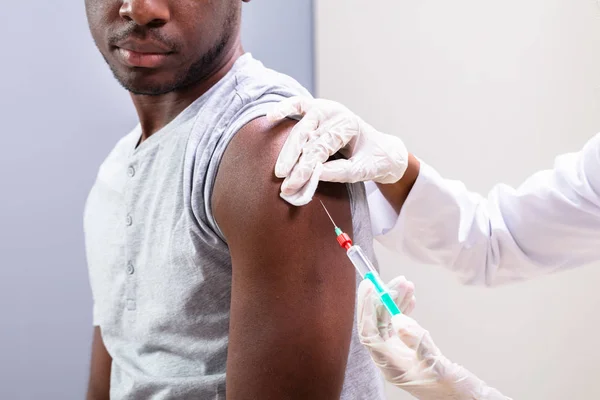
The most effective prevention for Hepatitis B is vaccination. Nigeria has integrated the Hepatitis B vaccine into its national immunization program, but adult vaccination and awareness remain low. Increasing uptake is critical.
For Hepatitis C, there is no vaccine, but antiviral treatments can cure most infections if detected early.
Regular screening for blood donors, healthcare workers, and pregnant women is highly recommended.
Safe practices such as avoiding unsterilized needles, unsafe blood transfusions, and sharing sharp objects are also key.
Public health education and community awareness can help reduce transmission in Nigeria.
6. Cancer
Some kinds of cancers are silent killers as they do not manifest any physical symptoms until the cancer has spread to a level where it may be difficult to treat.
Examples of such cancers include breast cancer, skin cancer, and prostate cancer.
As a man, you are advised to go for regular prostate cancer checkups, especially after you cross 40.
Women are also encouraged to get a mammogram to check for signs of cancer in the breast.
7. Osteoporosis
Osteoporosis is a bone disease where the bones become weak, brittle, and fragile from loss of tissue.
The human body constantly absorbs and replaces bone tissue. However, in osteoporosis, new bone is not created as fast as the old bone is being removed.
In most osteoporosis cases, the affected individual is not aware of his or her condition because it shows no signs or symptoms whatsoever until, of course, they undergo a fracture and get the diagnosis.
This is why it is one of the silent killer diseases in Nigeria. It is also very common in Nigeria.
Apart from affecting the density of the bones, it can also impact oral health.
Eating foods that are rich in calcium and vitamin D is crucial in preventing bone diseases. Also, weight-training exercises should be done as well as walking, jogging, stair climbing, and skipping. However, regular checks are also advised.
ALSO READ:
- 5 Common Eye Diseases in Nigeria
- 5 Common Vector-Borne Diseases In Nigeria
- 5 Common Diseases in Nigeria and How to Prevent Them
- 6 Common Zoonotic Diseases in Nigeria
- 5 Common Paediatric Emergencies in Nigeria
- Nigerian Child Vaccination Schedule 2025
- 5 Vaccine-Preventable Diseases In Nigeria
- List of Notifiable Diseases in Nigeria

Collins Nwokolo is a human physiologist, writer and health enthusiast. He loves writing helpful articles on health and fitness, which he enjoys sharing with everyone.